In the rapidly evolving landscape of renewable energy, Vanadium Redox-Flow Batteries (VRFBs) have emerged as a pivotal technology. Their growing popularity is not just due to their technical superiority but also because of their economic viability. This post delves into the cost-benefit analysis of VRFBs, unraveling why they are an economically sound choice for renewable energy systems.
Cost Analysis of VRFBs
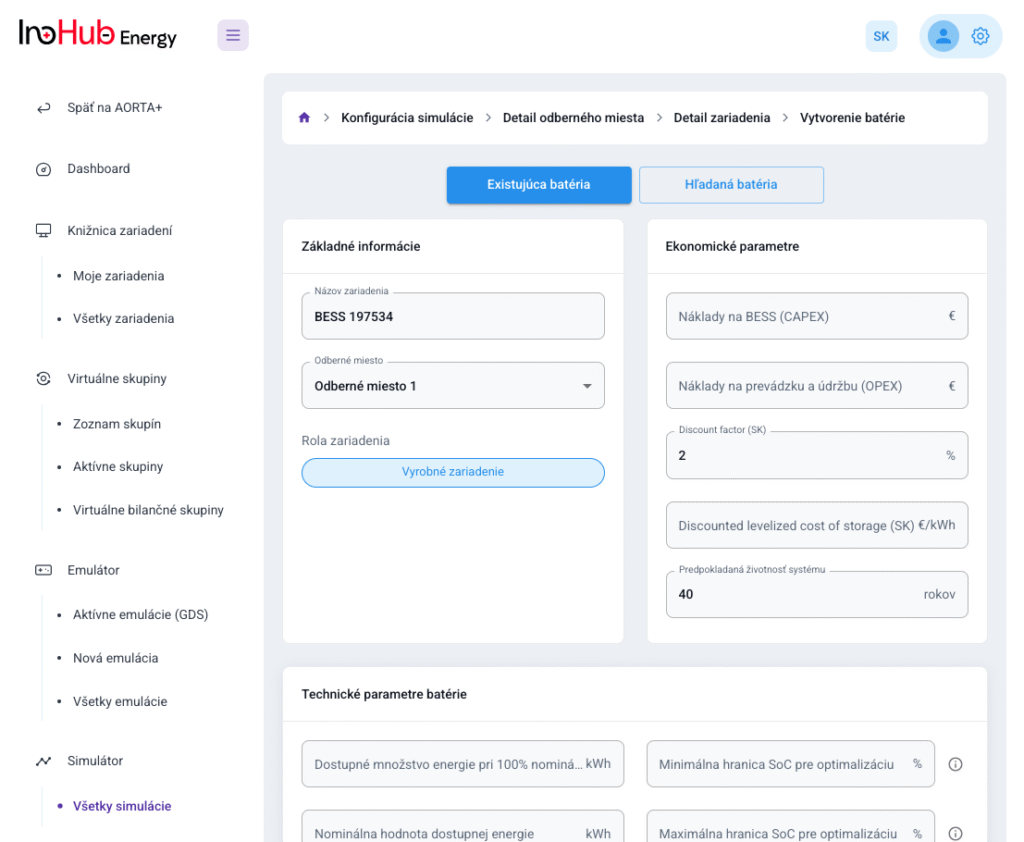
VRFBs are unique in their scalability and longevity. While the initial investment in VRFB technology might be higher than traditional batteries, their long-term operational costs are significantly lower. The key lies in their design – the ability to scale energy and power independently and a lifespan that outlasts most other battery types. These features translate into a lower levelized cost of energy storage over time, making them a financially sound choice in the long run.
Benefits That Outweigh the Costs
The operational benefits of VRFBs are manifold:
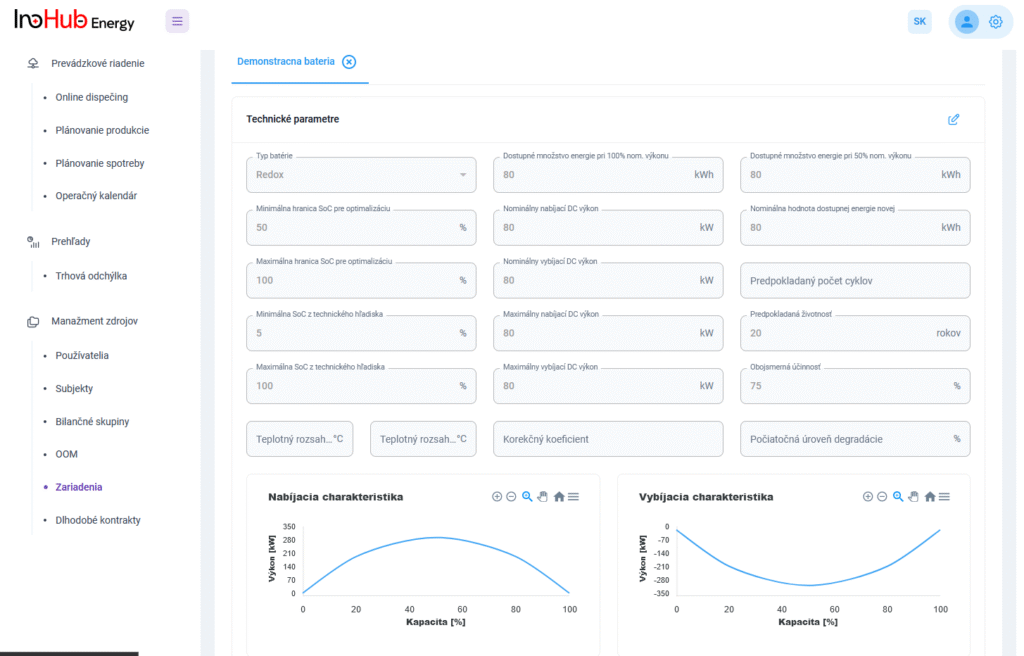
- Extended Lifespan: VRFBs offer up to 20,000 charge/discharge cycles, drastically reducing the need for frequent replacements.
- Maintenance Advantages: They require minimal maintenance, further lowering long-term operational costs.
- Energy Efficiency: VRFBs maintain a high level of efficiency throughout their lifespan, ensuring consistent energy storage and output.
Long-Term Economic Benefits
Investing in VRFBs is an investment in the future. The extended lifespan and robustness of these batteries mean less frequent replacement and consistent performance over decades. This reliability becomes crucial, especially when integrating with fluctuating renewable energy sources like wind and solar power. In grid-scale applications, VRFBs provide a stable and predictable energy storage solution, essential for balancing supply and demand in renewable energy networks.
Conclusion
The economic analysis of VRFBs reveals a promising picture. Their initial cost is offset by their longevity, efficiency, and low operational expenses, making them a wise investment for large-scale renewable energy projects. As we continue to embrace green energy, the role of economically viable storage solutions like VRFBs becomes increasingly important, paving the way for a more sustainable and financially sound energy future.
ACKNOWLEDGEMENT:
This work was supported by the project: IPCEI_IE_FLOW_BESS_012021